May 5, 20265 min read
The STOP Method: A Small Pause Before You React
A short guide to the STOP mindfulness method: stop, breathe, observe, and choose the action you will still respect tomorrow.
Visual notes
A strong feeling can move faster than thought. The phone is in your hand. The message is already written. Your chest is tight. Your mind says you must act now, because if you wait, something will be lost.
The STOP method is built for that exact moment. It is a small mindfulness practice. It interrupts an emotional reaction before it becomes an impulsive action. It is useful when you are anxious, angry, jealous, overwhelmed, about to send a message, about to make a decision, or trapped in a loop inside your head.
STOP stands for Stop, Take a breath, Observe, Proceed. It sounds almost too simple. That is why it works. In a hot moment, you do not need a complicated philosophy. You need a short bridge back to yourself.
S - Stop
First, literally stop what you are doing. Do not send the message. Do not continue the argument. Do not make the decision immediately. Do not react from the emotion while the emotion is still driving.
Stopping does not mean you surrender. It means you create a small space between the trigger and your reaction. In that space, you get one more vote. The trigger is still there. The feeling is still there. But now there is a pause.
Say the situation is simple and familiar: she did not reply. You feel anxious. You want to text again. STOP means you notice the urge before you obey it. You put the phone down for a moment. The message can wait. Most regret cannot be unsent.
T - Take a breath
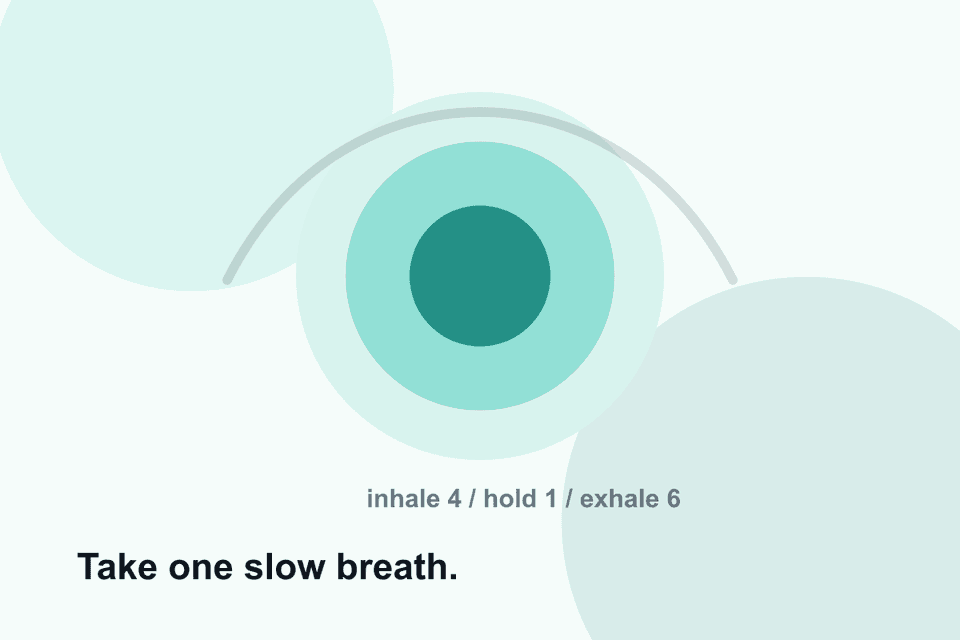
Now breathe. One slow breath is enough to change the tempo. Inhale for four seconds. Hold for one or two seconds. Exhale for six seconds. Repeat if you can.
The long exhale matters. It tells the nervous system that this is not an emergency. Your body may be acting as if danger is close, but the fact is often smaller: a delayed reply, a sharp sentence, a bad look, an uncertain silence.
You can also say, quietly, inside your own head: I do not need to solve this in the next ten seconds. That sentence is plain. It is also powerful. It gives the body permission to stand down.
O - Observe
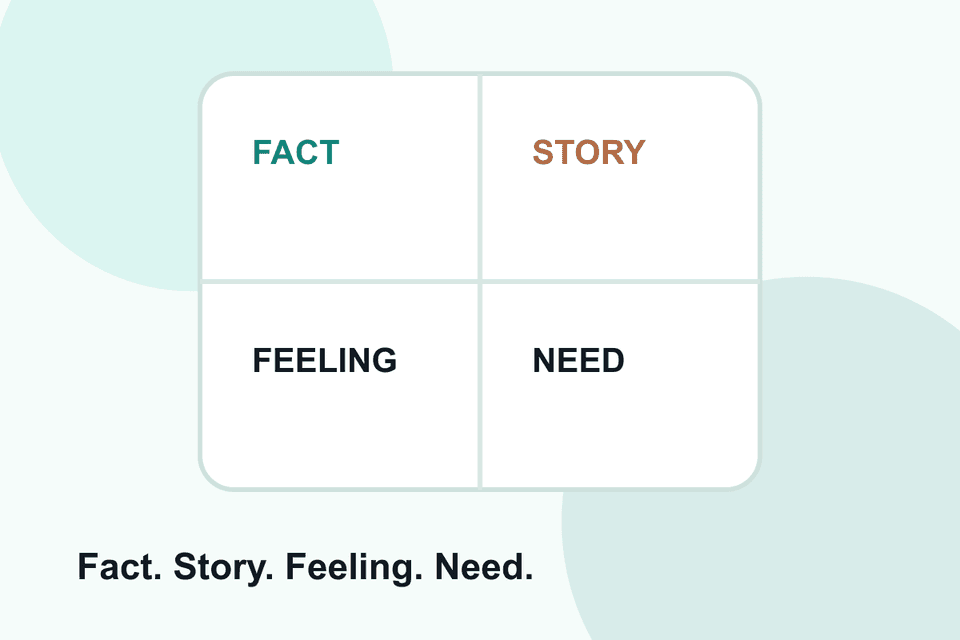
Once the first wave has softened, observe what is happening inside you and around you. Ask simple questions. What am I feeling? What thought keeps repeating? What is the fact? What is the story I am adding? What does my body feel? What do I actually need?
This is the heart of the method. It separates facts from interpretations. Fact: she has not replied for three hours. Story: she does not care about me. Emotion: I feel rejected and anxious. Body: tight chest, tension, urgency. Need: reassurance and calm.
The story may be true. It may not be. In the moment, you do not know. But when you can name the difference between fact and story, the emotion loses some of its command. You are no longer inside the reaction. You are looking at it.
P - Proceed
Now choose the next action from a calmer place. Not from panic. Not from anger. Not from fear of abandonment. Not from the need to control the other person so your body can feel safe.
Ask yourself: what action will I respect tomorrow? What is the mature response? What would I do if I were calm? Do I need to act now, or can I wait?
Instead of sending, Why are you ignoring me?, you may choose to wait. You may go for a walk. You may write the message in Notes, not WhatsApp. Later, if the feeling is still there and the message is still useful, you send one calm line: Hope you are okay. No pressure to reply now. Sometimes the better message is no message at all.
The practical version
When you feel activated, keep the whole method short. Say: Stop. Breathe. What is the fact? What is the story? What am I feeling? What is the calm action?
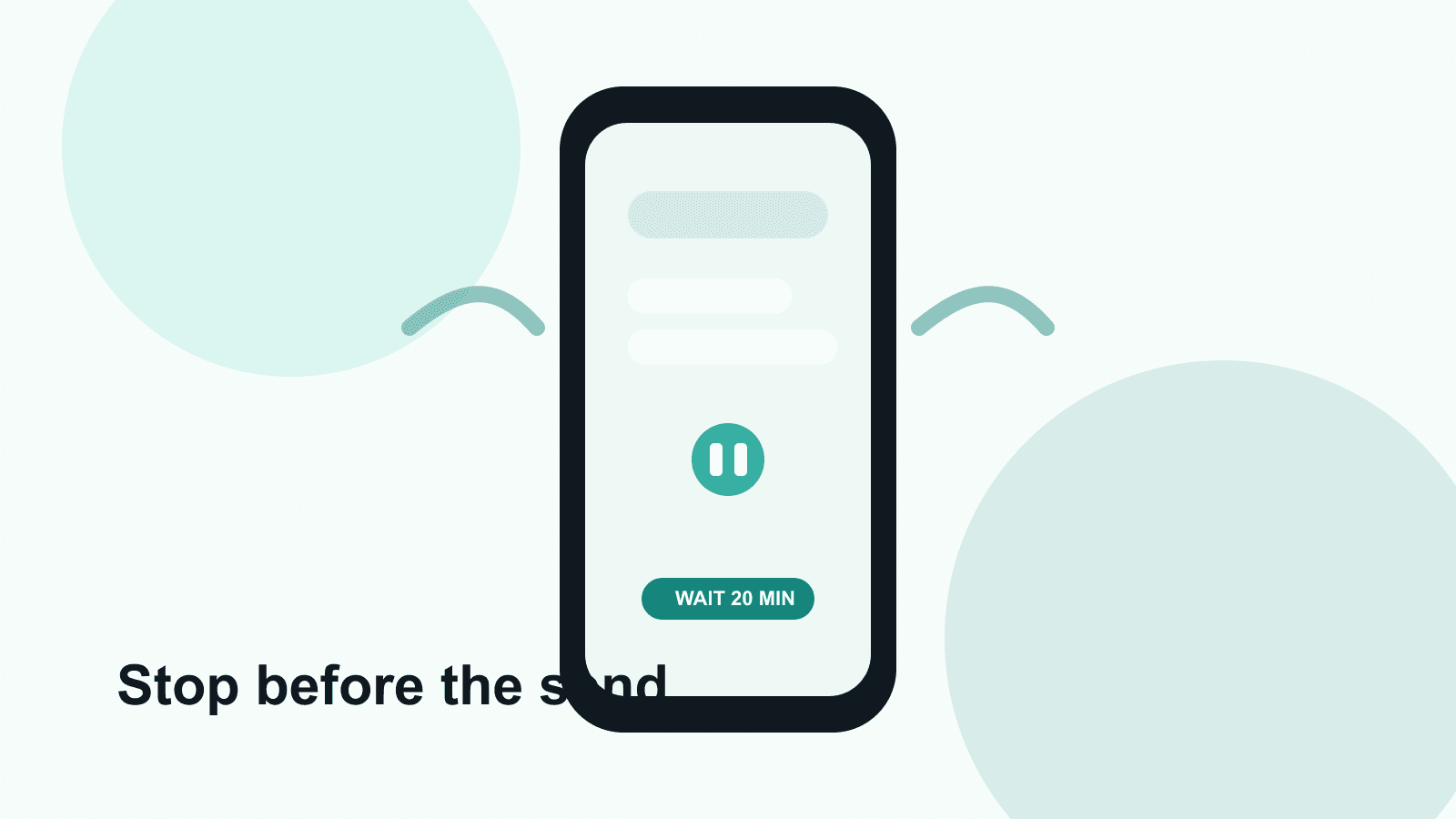
For emotional messages, use a stricter rule: STOP plus a twenty-minute wait before sending anything. During those twenty minutes, write the message somewhere private. Do not write it in the chat box. A chat box wants to be sent. A note can stay a draft.
After twenty minutes, read it again. If your body is calmer, the message will look different. It may become shorter. It may become kinder. It may disappear.
A relationship anxiety example
The trigger is clear: she saw your message and did not reply. The old chain is also clear. Trigger, emotion, impulsive reaction, regret. The STOP chain changes the order.
You stop. You do not send another message now. You breathe slowly for one minute. Then you observe. The fact is that she has not replied yet. The story is that she does not care. The feeling is anxiety, rejection, fear. The need is reassurance. The risk is that you may send a needy or aggressive message that makes the situation worse.
So you proceed differently. You wait. You do something physical. You move your body because the body is where the emotion is living. Later, if a message is still needed, you send one simple message. Or you send nothing, because nothing is sometimes the calmest answer.
Why it works
STOP works because it breaks the automatic chain. Trigger, emotion, impulsive reaction, regret. That chain is fast. It feels honest because it is intense. But intensity is not wisdom.
The new chain is slower: trigger, pause, awareness, chosen action. It does not remove emotion. It gives emotion a chair at the table instead of the steering wheel.
That small pause can change the result. A message is not sent. A fight is not fed. A decision is not made from fear. Your future self gets a vote. That is the whole point.